
Create a clear hierarchy
A practical principle grounded in real retail constraints and execution experience.

Category insight
Turning connected fixtures into one legible shopper experience.
Insights →The perspective
Category environments work hardest when navigation, brand blocking, product access and visual rhythm reinforce the same commercial story.
The response begins with the real context, then connects the decisions, disciplines and people required to deliver it well.
That continuity protects the intent while keeping the outcome practical, accountable and relevant.
The commercial truth
These perspectives turn field experience into clearer principles for brands, retail teams and makers working toward physical impact.
Key takeaways
A practical principle grounded in real retail constraints and execution experience.
A practical principle grounded in real retail constraints and execution experience.
A practical principle grounded in real retail constraints and execution experience.
A practical principle grounded in real retail constraints and execution experience.
Category environments work hardest when navigation, brand blocking, product access and visual rhythm reinforce the same commercial story. Applied well, this principle helps teams make clearer choices without losing sight of the shopper, store conditions or delivery pathway.
Category environments work hardest when navigation, brand blocking, product access and visual rhythm reinforce the same commercial story. Applied well, this principle helps teams make clearer choices without losing sight of the shopper, store conditions or delivery pathway.
Category environments work hardest when navigation, brand blocking, product access and visual rhythm reinforce the same commercial story. Applied well, this principle helps teams make clearer choices without losing sight of the shopper, store conditions or delivery pathway.
Category environments work hardest when navigation, brand blocking, product access and visual rhythm reinforce the same commercial story. Applied well, this principle helps teams make clearer choices without losing sight of the shopper, store conditions or delivery pathway.
Related work
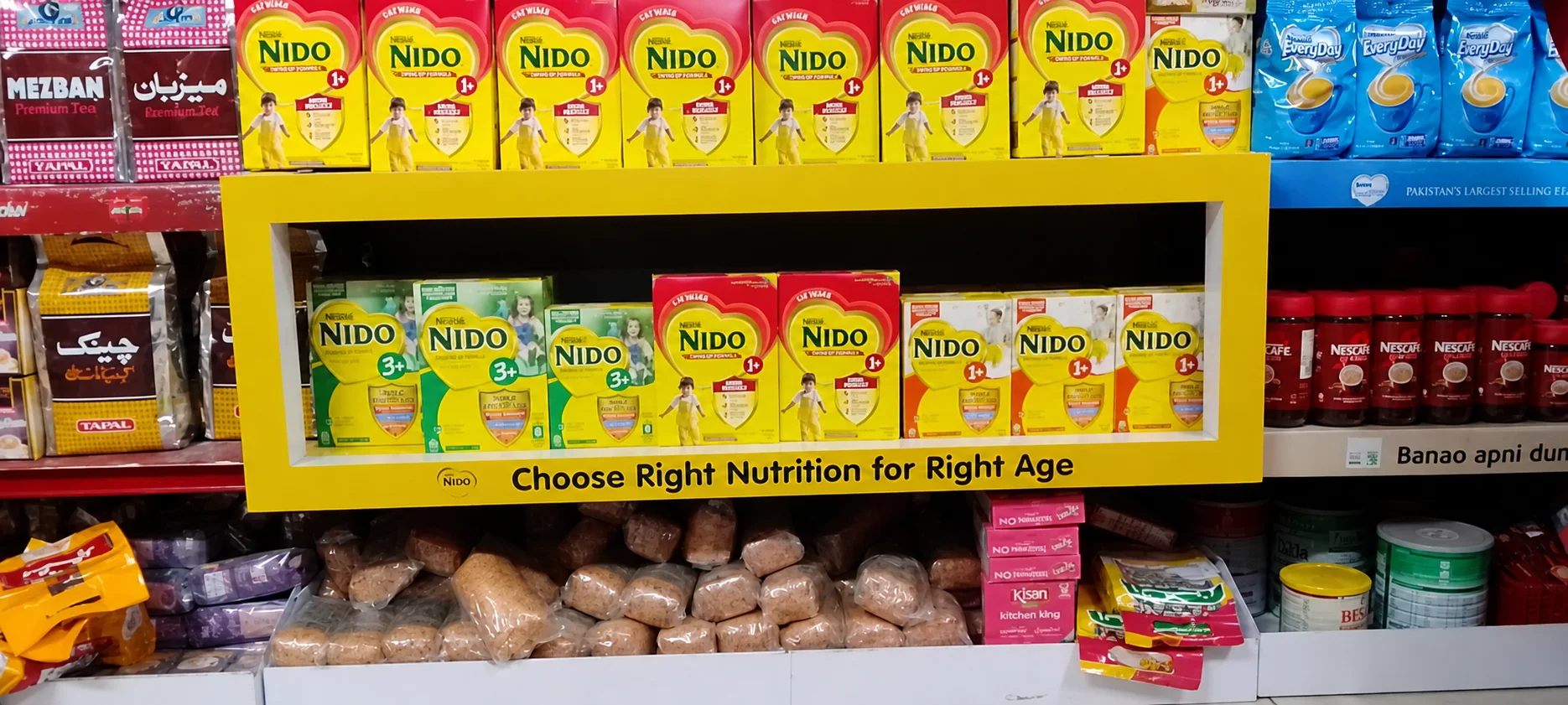
Category transformation
Category transformation
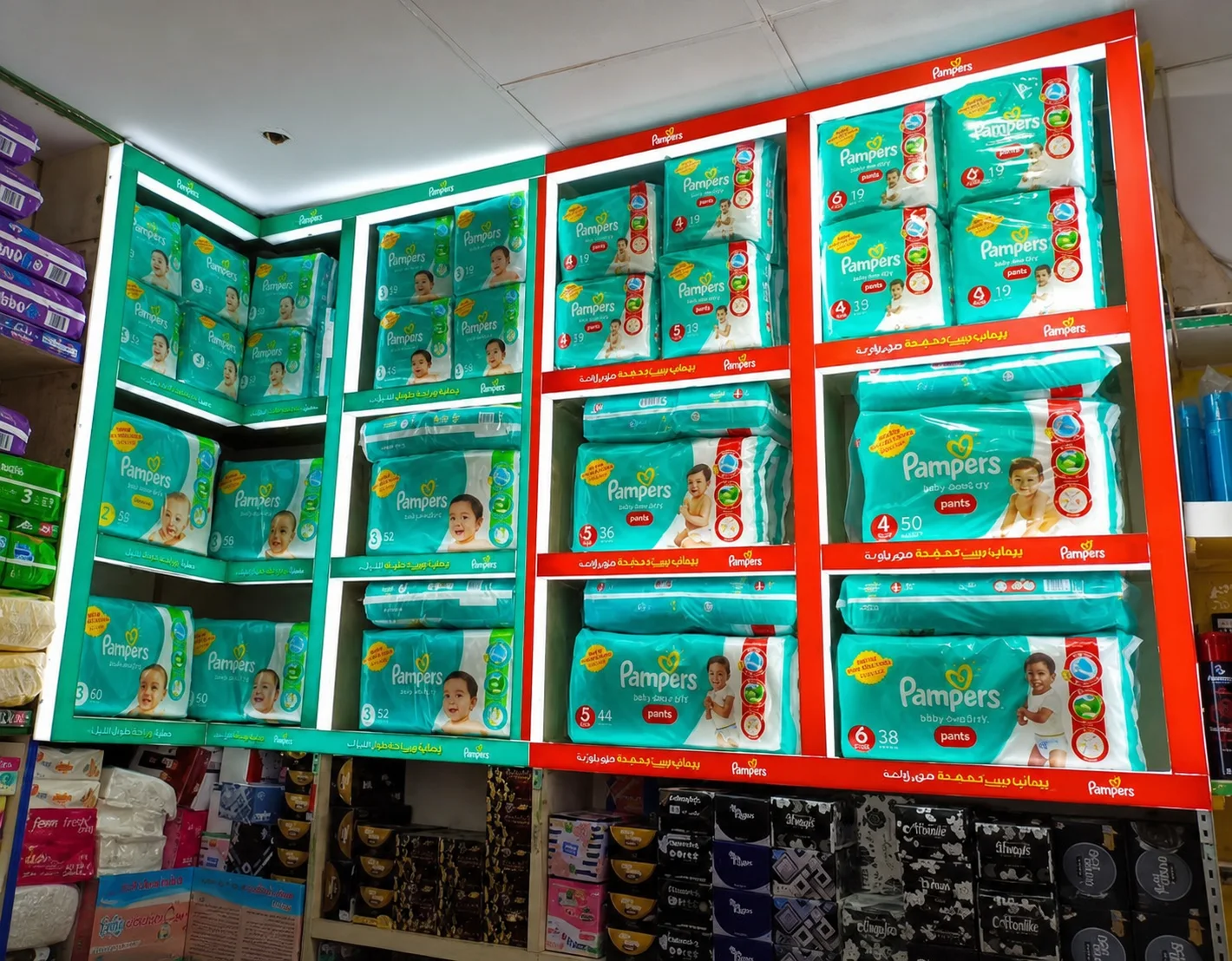
In-store media
What leaves the room
Create a clear hierarchy
Resolved for deliveryUse the aisle as a sequence
Resolved for deliveryBalance brand and product
Resolved for deliveryDesign for repeatability
Resolved for deliveryCommon questions
Brand, shopper, trade marketing, procurement, design and retail execution teams.
They are grounded in the practical constraints and patterns visible across PRINTSolutions’ retail work.
Yes. Use the contact page to share the retail challenge and the team will confirm the relevant expertise.
Let's engineer in-store experiences that move shoppers, grow categories and build brands.
Start your project →